SUP Pump Says 12–20 PSI but the Board Still Feels Soft? Check the Valve Seal First
An electric SUP pump can display 12 PSI, 15 PSI or even 20 PSI, while the paddle board still feels soft. If a manual gauge then reads only around 7 PSI, it is tempting to blame the electric pump.
But when several electric pumps show a similar result on the same SUP, the more likely common issue is the valve connection, hose adapter or sealing gasket.
This guide explains why it happens and how to check it safely.
First: separate a pump problem from a valve-connection problem
Use this quick comparison:
| What you see | More likely cause |
|---|---|
| Several pumps show a high target pressure, but the same board still feels soft | SUP valve, adapter fit or gasket seal |
| The pump stops at 12–15 PSI, but a manual gauge reads about 7 PSI immediately | Adapter may not be sealing or opening the valve pin correctly; confirm with another gauge if possible |
| The board measures 12–15 PSI immediately after inflation, then drops later | Board valve, valve core or board air leak |
| The same pump gives the same incorrect result on a different known-good board | Pump pressure sensing, high-pressure stage or power supply should be checked |
If multiple pumps produce the same symptom on one board, a pump-only defect becomes less likely. The board and its valve connection are the parts shared by every test.
Why can an electric pump show 12 PSI while the SUP is still soft?
An electric pump measures pressure at the pump and hose side of the connection.
If the adapter does not seal tightly against the SUP valve, or if it does not fully open the valve pin, pressure can build briefly in the hose or adapter. The pump sensor may see this pressure and stop at the preset target.
However, the actual air pressure inside the SUP can still be lower because air is escaping at the connection or is not flowing correctly through the valve.
This does not automatically mean the board is damaged. In many cases, the connection needs a better-fitting silicone sealing gasket.
SUP valves are not all exactly the same
Although many SUP boards use a similar high-pressure valve style, the valve opening, adapter depth and sealing surface can vary by brand and production batch.
For this reason, many electric SUP pump suppliers include several silicone sealing gaskets with the hose adapter. The gasket fills the small gap between the adapter and the valve. A correct fit helps the adapter seal tightly during inflation and reduces air loss at the connection.
Different Silicone Sealing Gaskets for SUP Valve Adapters
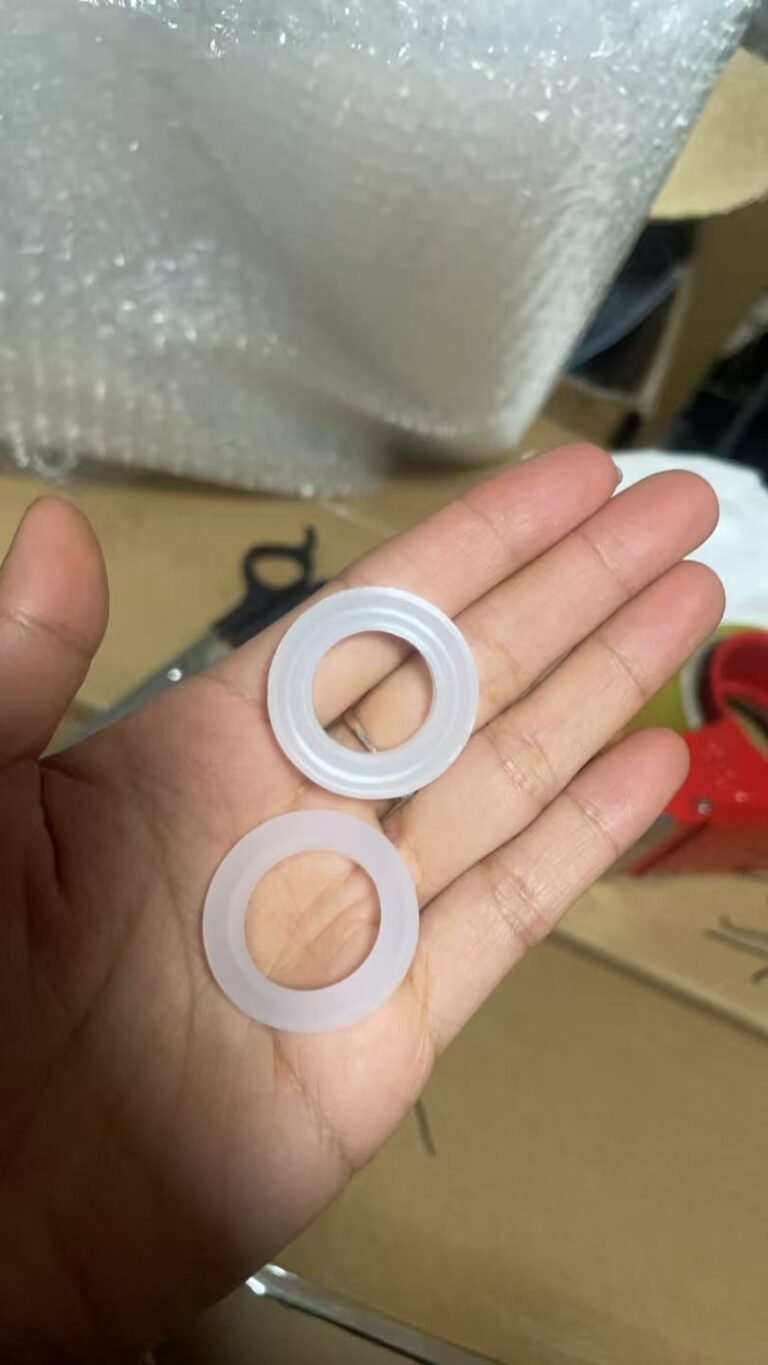
A Secure Gasket Fit Helps Prevent Air Loss
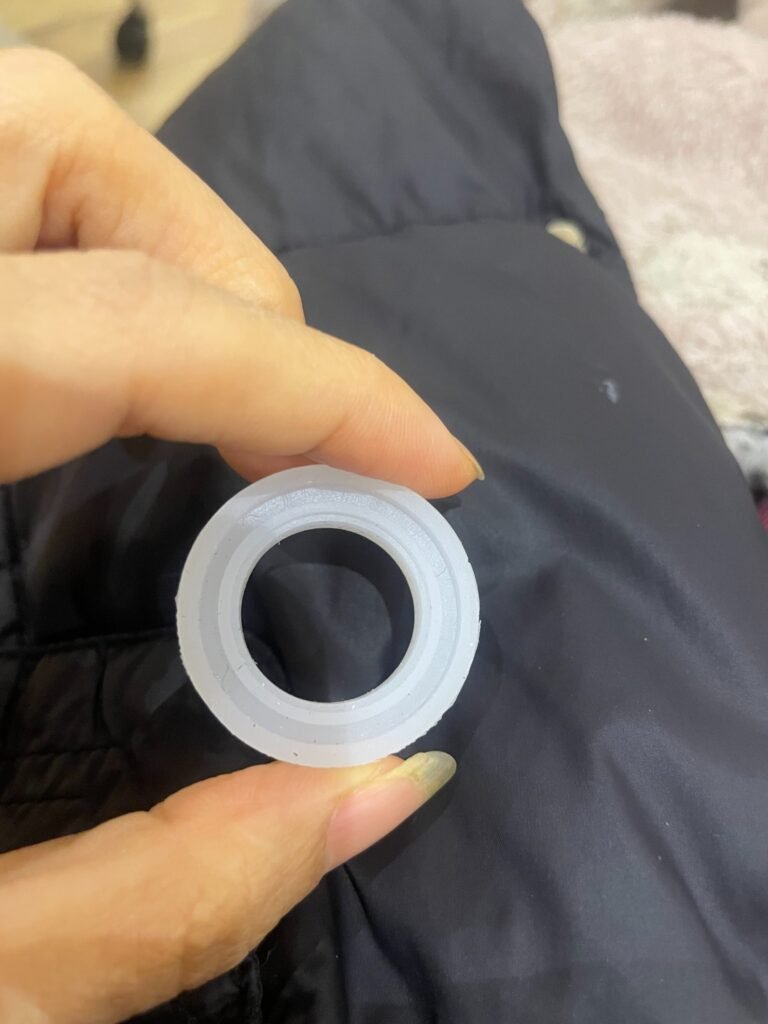
Try a different gasket before replacing a pump
Our pump accessory sets include several gasket options, including 2 mm, 3 mm, 4 mm and 6 mm variants for different adapter and valve fits.
To test the seal:
- Use the same pump hose and adapter.
- Select a gasket with the same fitting diameter but a different thickness or profile.
- Fit the gasket flat in the adapter; it must not be twisted, folded or damaged.
- Connect and lock the adapter firmly to the SUP valve.
- Inflate again to the pressure printed on your own board.
- Immediately check the board with a manual gauge, if available.
Do not force an oversized gasket into the adapter. The best gasket is the one that creates a tight connection without damaging the valve or making the adapter impossible to lock.
Use soapy water to find a leak
A simple soap-bubble test can help identify an air leak.
- Inflate the board only to its labelled working pressure.
- Mix a small amount of soap with water.
- Apply the solution carefully around the SUP valve and adapter connection.
- Look for continuous bubbles while the pump is running or just after it stops.
Continuous bubbles at the adapter connection usually indicate that the gasket or adapter fit needs attention.
Do not spray water onto the electric pump itself. Keep the pump and its charging port dry.
If bubbles appear around the valve body after the hose has been removed, the board valve or valve core may need inspection by the SUP brand or a qualified repair service.
Is a manual gauge always correct?
A manual gauge is useful, especially when its reading matches how soft the board feels. However, low-cost manual gauges can also vary in accuracy.
The best approach is to compare:
- the electric pump display;
- a manual gauge;
- how the board feels at its recommended pressure;
- and, if possible, the result on another known-good SUP board.
Do not exceed the pressure marked on the SUP board just to make it feel harder.
Frequently Asked Questions
My pump says 15 PSI, but the board feels soft. Is my pump faulty?
Not necessarily. First check the SUP valve, hose adapter and silicone gasket. If several pumps give the same result on the same board, the shared valve connection is the first place to investigate.
Why does the pump reach its target pressure if the connection is leaking?
The pump sensor measures pressure near the pump/hose side. If the adapter is not sealing correctly or does not fully open the valve pin, pressure can build at the connection while the board itself is not reaching the same pressure.
My manual gauge reads about 7 PSI. What should I do?
Try a different gasket at the adapter connection, lock the adapter securely and test again. If possible, compare the manual gauge on another known-good board before deciding that the electric pump is defective.
Should I replace the O-ring inside my SUP valve?
Do not disassemble the board valve as the first step. Start with the external silicone gasket used between the pump adapter and the valve. If the board loses pressure after the hose has been removed, contact the SUP brand or a repair specialist to inspect the valve core and valve body.
Which gasket size should I use?
There is no one-size-fits-all answer because SUP valve connections vary. Try the gasket that gives the most secure fit without forcing the adapter. A gasket that is too thin may allow air to escape; one that is too thick may prevent the adapter from locking correctly.
The board stays at 12 PSI at first, then drops to 7 PSI later. What does that mean?
That pattern is more consistent with a board-side air leak, such as the valve core, valve body or another part of the board. Use a soap-bubble test around the valve and contact the board supplier if the leak continues after the pump hose is removed.
Can I use a tire inflator to test my SUP pressure?
A dedicated SUP pump or a compatible high-pressure gauge is preferable. SUP valves and air flow requirements differ from vehicle tires, and an incompatible connector can create misleading readings.
When should I contact support?
Contact support when you have tested a secure adapter connection and a suitable gasket, checked the valve with soapy water, and still see a major difference between the pump display and the board’s actual pressure. A photo of the board valve, hose adapter and gasket will help identify the right setup.
Need help matching the right SUP pump adapter?
Send us a photo of your SUP valve, the current hose adapter and the required pressure shown on the board. We can help you identify a suitable pump and gasket setup before you order.
Browse electric SUP pumps · M02PRO 20 PSI dual-power SUP pump · Find Your Pump